covid-19
update

Our Blog

Caring for Your Cat’s Dental Health

December 14th, 2022

While you make sure your family is getting the best care possible, with regular dental checkups and cleanings at our Simsbury, CT office, there is one family member that might be hiding under the bed when it’s time for tooth care. Periodontal disease is the most common clinical condition affecting adult cats—and it is completely preventable!

Periodontal disease starts when the bacteria in your pet’s mouth form plaque. The plaque can harden into tartar, and, if plaque and tartar spread under the gum line, can be responsible for a number of serious problems. Tooth loss, tissue damage, bone loss, and infection can be the result of periodontal disease. Professional dental treatment is important if your cat is suffering from periodontal disease, and your vet can describe the options available to you.

But, like with humans, prevention is the best way to assure these problems never develop, and there are several methods for avoiding plaque and tartar build-up.

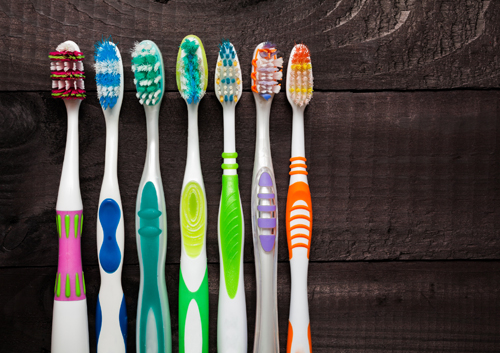
Brushing: Yes, there are toothbrushes and toothpastes specifically designed for your cat! If a toothbrush is not working for you or your pet, there are cat-sized finger brushes available as well. Daily brushing is most effective, but try for at least several times each week. The process of introducing brushing should be a slow and gentle one, and seafood and poultry flavored pastes make the process more palatable. (Human toothpaste is not good for your cat due to its abrasiveness, and swallowing the foam might pose a danger to your pet.)

Anti-plaque rinses and gels: If despite your gentle persistence your cat simply will not cooperate with brushing, there are other options! Rinses and gels containing Chlorhexidine are effective and do not usually pose a problem for pets—although they might not take to the flavor. Rinses can be squirted inside each cheek or gels can be applied to the teeth with a toothbrush or finger brush. Talk to your vet to find the safest and most effective products.

Diet: Whether they use a particular shape and texture to simulate brushing or an anti-tartar ingredient, several pet foods claim to reduce the accumulation of plaque and tartar. Your vet is the best resource for nutritional suggestions to make sure your cat’s dental and physical diet is as healthy as it can be.

Whether you try brushing, rinses, gels or a tooth-friendly diet, patience and a gentle touch are the best way to introduce dental hygiene. Talk to your vet at your cat’s next checkup, and find out what you can do to keep your feline friend healthy and happy. An ounce of prevention might be worth a pound of purr!

My child is getting blood blisters; is this normal?

December 7th, 2022

Thanks for the question. The “blisters” you are referring to are actually a normal part of losing baby teeth. Sometimes when teeth start to come through, children experience some bleeding under the skin, which typically causes small blisters or bruises on your child’s gums. The blisters, bluish in color, will disappear once the tooth comes through, and the tooth itself will still come through as it should.

Even though they can look a little frightening at first, there is no treatment required to treat blisters, nor are these blisters preventable. In fact, our bodies do a great job of cleaning up the loose ends of baby tooth loss and permanent tooth emergence, and not too long after, it’s as if no blisters ever happened. It’s important to note, however, that these blisters should not be pricked or cut as doing so may cause an infection in your child’s mouth.

If you are worried about blisters or bruises in your child’s mouth, please give us a call at our convenient Simsbury, CT office to schedule an appointment with Dr. Maryam Azadpur. We especially encourage you to give us a call if your child has had one of these blisters for more than a month and the tooth has yet to come through.

The Importance of Baby Teeth

November 30th, 2022

Dr. Maryam Azadpur and our team know it can be easy to underestimate the significance of baby teeth. At Simsbury Pediatric & Adolescent Dentistry, we sometimes meet parents who assume that since their child's baby teeth, also known as primary teeth, eventually fall out and are replaced, they are less important. But did you know baby teeth serve purposes other than biting, chewing, and digesting food properly?

Baby teeth are essential not only for your child’s language development, but they also serve other important functions, like contributing to the normal development of your child’s jaw bones and facial muscles. Baby teeth also reserve space for your child’s future permanent teeth.

So, when do baby teeth fall out?

A baby tooth is intended to remain in your child’s mouth until the permanent tooth underneath it is ready to take its place. Sometimes, either due to a tooth being knocked out accidentally or being removed because of tooth decay, kids lose baby teeth before the permanent teeth are ready to erupt. If a tooth is lost, the teeth on either side of the open space may possibly push into the open space. The result? There may not be enough room for the permanent tooth when it is finally ready to erupt.

If you have any questions about your toddler’s teeth, or if your child is experiencing issues that concern you, please give us a call to set up an appointment at our convenient Simsbury, CT office.

Thanksgiving in North America

November 23rd, 2022

Thanksgiving marks the start to the holidays; a season filled with feasting, indulging, and spending time with family and friends are always special. Thanksgiving is a holiday meant for giving thanks, and while this may seem like such a natural celebration, the United States is only one of a handful of countries to officially celebrate with a holiday.

Unlike many holidays, Thanksgiving is a secular holiday, and it is celebrated on the fourth Thursday in November in the United States. In Canada, it is celebrated on the second Monday of October, which is, oddly enough, much closer to a time when harvests were likely gathered. In addition to the different dates, the origins of the celebration also share different roots.

Thanksgiving in the United States

Giving thanks for a bountiful harvest are not new, but the modern day holiday in the US can be traced to a celebration at Plymouth in Massachusetts in 1621. This feast of thanksgiving was inspired by a good harvest, and the tradition was simply continued on. At first, the colony at Plymouth didn't have enough food to feed everyone present, but the Native Americans helped by providing seeds and teaching them how to fish, and they soon began to be able to hold a feast worthy of the name. The tradition spread, and by the 1660s, most of New England was hosting a Thanksgiving feast in honor of the harvest.

Canadian Thanksgiving

An explorer of early Canada named Martin Frobisher is accredited for the first Canadian Thanksgiving. He survived the arduous journey from England through harsh weather conditions and rough terrain, and after his last voyage from Europe to present-day Nunavut, he held a formal ceremony to give thanks for his survival and good fortune. As time passed and more settlers arrived, a feast was added to what quickly became a yearly tradition. Another explorer, Samuel de Champlain, is linked to the first actual Thanksgiving celebration in honor of a successful harvest; settlers who arrived with him in New France celebrated the harvest with a bountiful feast.

A Modern Thanksgiving

Today, Thanksgiving is traditionally celebrated with the best of Americana. From feasts and football games to getting ready for the start of the Christmas shopping season, Thanksgiving means roasted turkey, pumpkin pie, and green bean casserole. No matter how you celebrate this momentous day, pause for a moment to give thanks for your friends, family, and all the bounties you’ve received. Happy Thanksgiving from Simsbury Pediatric & Adolescent Dentistry!

Smiling People Smiling People
(860) 658-7548
381 Hopmeadow St #202
Weatogue, CT 06089
Map